How to Wrap a Gift Beautifully When You Are Bad at It? Easy Tips for Beginners
There is a unique kind of anxiety that washes over us every holiday season, right alongside the frantic search for gift ideas. This panic usually centers around one specific activity: wrapping. We want our gifts to look perfect—picture-perfect, magazine-ready, worthy of the person receiving them. But let’s be honest: if you leave your home alone with a roll of patterned paper and tape, you might feel more like an amateur origami enthusiast than a professional gift giver. The thought of creating those neat, crisp corners often feels like wishing on three stars—a nearly impossible feat for the uninitiated.
If you find yourself in this predicament, don't despair. You are not alone. Gift wrapping can feel intimidating, turning a simple act of giving into an elaborate performance art piece that only Instagram models seem capable of mastering. But what if I told you that "beautiful" doesn't have to mean flawless? What if we could redefine the goal from perfection to thoughtfulness? This guide is designed for the gift-wrapping novice—the person who wants their presents to look lovely without spending hours wrestling with complicated folds or weeping over a crooked seam.
Visit the websiteThe Mindset Shift: Redefining "Beautiful" Wrapping
The first, and perhaps most crucial, step in learning how to wrap a gift beautifully when you are bad at it? is realizing that the wrapper itself is secondary. People remember how much thought you put into selecting the gift; they will forgive slightly wonky corners. We need to dismantle the myth that beautiful wrapping requires expert skills or expensive materials.
Instead of viewing wrapping as an aesthetic challenge, view it as a simple layer of presentation—a protective hug for something valuable. Think of the wrapper less like architectural origami and more like edible frosting on a cake. It adds sweetness, but if you mess up the swirl pattern, nobody starves. Your focus should be on intention.
Consider this: A thoughtfully wrapped gift that has slightly visible creases tells a story—a story of love, haste, or sheer effort. The story matters more than the crisp edges. How can we pivot our perspective to make the process less stressful and more fun? By focusing on simple structure and letting go of the pressure for magazine-level perfection.
Mastering Simple Techniques That Always Work
For those moments when you just need a reliable, foolproof method, mastering three basic structural principles will cover 90% of your wrapping needs. These techniques are your safety net when tackling how to wrap a gift beautifully when you are bad at it?

The Foundation: Knowing Your Materials
Before cutting any paper, take stock. Do you have enough tape for the corners? Are your edges clean? Using good quality tools makes all the difference. I once spent twenty Visit this link minutes trying to achieve that perfect 90-degree fold using only a dull pair of scissors and cheap kraft paper. It was an absolute disaster! Since then, I swear by using a dedicated corner trimmer—it’s a game changer for people who struggle with precise folding.
The Simple Layering Fold
This is the most reliable method for rectangular boxes. Lay your paper flat, making sure it overlaps slightly on all sides of the box. Instead of trying to fold every edge precisely like a professional, focus on creating solid bands of material across the box's ends. Use tape just enough to secure the center line, rather than running long strips around the entire perimeter. This creates a strong structure that hides minor imperfections while still looking intentional.
The "Crush and Tuck" Method for Irregular Shapes
If you are wrapping something oddly shaped—a fancy bottle, a stack of books, or a piece of art—don't fight its natural form. Instead, wrap it in several layers of tissue paper first. Then, use the outer wrapping paper like an exoskeleton, simply tucking and folding around the basic shape without worrying about perfect corners. This technique embraces asymmetry, which is often where true beauty lies.
Elevating Your Gifts Beyond Paper and Tape
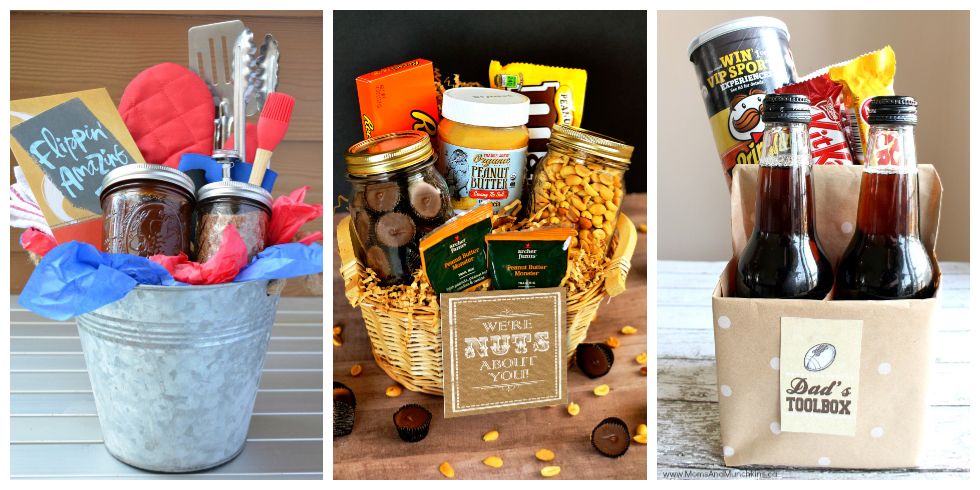
If conventional wrapping feels too much like homework, it’s time to pivot entirely. The most beautiful gifts aren't always wrapped in glossy cardstock; sometimes they are adorned. These alternative methods allow you to achieve a sophisticated look without the stress of folding complicated corners.
- Twine and Ribbon: Nothing screams "rustic elegance" like natural jute twine or velvet ribbon. Instead of wrapping the entire gift, simply tie a beautiful bow around a point where the gift naturally meets an edge. You can also use the twine to create simple accents, running it vertically down the length of the package before tying off with a decorative knot.
- Fabric Wraps: For particularly high-end or sentimental items, skip paper altogether and use a beautiful scarf or piece of coordinating fabric. These wraps are inherently luxurious and give the recipient something useful to keep!
- The Natural Element: Use dried botanicals—a sprig of cedar, some preserved eucalyptus, or a small pinecone cluster—to adorn your package. This instantly adds texture, color depth, and an organic feel that elevates even simple paper wrapping.
Curating a Cohesive Aesthetic with Minimal Effort
When you’ve mastered the how, let's talk about the what. A successful gift presentation is never just one element; it's a composition. Think of coordinating materials like paint mixing—the colors should work together, even if they are different shades.
To make your wrapping look polished and intentional, follow these three rules:
- Limit Your Palette: Stick to 2–3 primary colors (e.g., forest green, cream, and gold). Even if you use five types of materials, if they only contain those three colors, the overall effect will be cohesive.
- Vary Texture, Not Pattern: Instead of mixing stripes, polka dots, and florals (which can look chaotic), mix textures: smooth matte paper, rough burlap, and shiny ribbon. This adds visual interest without creating a headache-inducing pattern mess.
- The Power of the Focal Point: Decide where you want the eye to land—is it the big bow? The engraved tag? The cluster of greenery? Design everything else to draw attention to that one focal point, rather than spreading decoration evenly across all surfaces.
Making the Moment Magical: Beyond the Bow
Gift wrapping is fundamentally about generosity and anticipation. It’s a small, tangible piece of effort that says, "I thought about you." The true art isn't in preventing those pesky creases; it's in taking the time to create an experience for the recipient when they unwrap it.
If you are still wrestling with tricky corners, remember this: sometimes the most beautiful presentation is no wrapping at all. A simple handwritten card paired with a gift, nestled on a bed of soft tissue paper and tied with natural twine, can feel more personal and elegant than any perfectly folded cardboard masterpiece. What truly matters when gifting isn't the ribbon; it’s the connection you are celebrating.
Take these tips—the mindset shift, the simple techniques, and the aesthetic rules—and incorporate them slowly. Don't try to be perfect on Christmas morning. Practice with low-stakes items first: wrapping cookies for a friend, or even just packaging your own favorite book. With practice, what starts as feeling insurmountable becomes a relaxing, enjoyable ritual. Start small, celebrate the effort, and let your thoughtful care do all the talking.